Why Your EPOS System Should Be Linked to Your Ecommerce Store

Ecommerce

Running a business efficiently requires more than just hard work and dedication; it demands the right technology to streamline operations and enhance the customer experience. For retail businesses, integrating your Electronic Point of Sale (EPOS) system with your ecommerce store is a strategic move that can bring a wealth of benefits. In this blog post, we’ll explore why linking these two critical systems is essential for modern businesses, how it can improve operational efficiency, and why it’s the key to staying competitive in an increasingly digital marketplace.


1. What is an EPOS System?

Before delving into the benefits of integration, let’s briefly cover what an EPOS system is. An Electronic Point of Sale (EPOS) system is a combination of software and hardware that helps businesses manage sales transactions. It goes beyond traditional cash registers, providing functionality for inventory management, sales reporting, customer tracking, and more.

Modern EPOS systems can be accessed from multiple devices, making them more flexible and scalable. They are designed to help retailers optimise their in-store processes and can be tailored to suit the needs of businesses of all sizes. But their true power is unlocked when they are linked to ecommerce platforms.


2. The Importance of Ecommerce in Today’s Retail Landscape

Ecommerce is no longer just a trend; it’s a fundamental component of the retail industry. The rise of online shopping has shifted consumer expectations, with customers now demanding a seamless experience across both online and offline channels. Businesses that fail to meet these expectations risk losing out to competitors that offer a more integrated shopping experience.

An ecommerce store allows businesses to reach a broader audience, operate 24/7, and provide customers with the convenience of shopping from anywhere at any time. However, without proper integration with in-store operations, managing both physical and online sales can become challenging. This is where connecting your EPOS system to your ecommerce platform becomes crucial.


3. Benefits of Integrating Your EPOS System with Your Ecommerce Store


a. Real-Time Inventory Management

One of the most significant advantages of linking your EPOS system to your ecommerce store is real-time inventory management. When your stock levels are synced across both your physical and online stores, you eliminate the risk of overselling products you don’t have in stock.

Real-time inventory updates ensure that when a product is sold in-store, the online stock is automatically adjusted, and vice versa. This level of accuracy prevents disappointing customers with out-of-stock notifications after they have made a purchase and allows you to make better decisions about restocking and inventory control.


b. Centralised Data and Reporting

Having all your sales data in one place is crucial for making informed business decisions. By integrating your EPOS system with your ecommerce store, you can centralise data from both channels, making it easier to analyse trends, track performance, and generate detailed reports.

With this centralised data, you can identify your best-selling products, understand customer buying patterns, and predict future demand. This helps you make strategic decisions about marketing, promotions, and inventory management, ultimately boosting your profitability.


c. Improved Customer Experience

Customers today expect a seamless shopping experience across all touchpoints. By linking your EPOS system to your ecommerce platform, you can provide a unified customer experience that includes consistent pricing, promotions, and product availability across both online and offline channels.

For example, customers can buy a product online and choose to pick it up in-store, or if an item is out of stock in-store, staff can quickly check online inventory and arrange for delivery. This level of convenience not only enhances the customer experience but also increases the likelihood of repeat business.


d. Streamlined Order Fulfilment

Order fulfilment can be a complex process, especially when managing both online and offline sales. Integrating your EPOS system with your ecommerce store helps streamline this process by automating order processing and inventory updates.

With an integrated system, orders from your ecommerce site are automatically sent to the EPOS system, where they can be fulfilled using in-store stock. This reduces the time and effort required to process orders, minimises errors, and speeds up delivery times, resulting in a more efficient fulfilment process.


e. Enhanced Marketing and Personalisation

Data is the backbone of effective marketing strategies. When your EPOS and ecommerce systems are linked, you gain access to a wealth of customer data that can be used to create personalised marketing campaigns.

For example, you can use purchase history data to segment your audience and send targeted promotions to specific customer groups. If a customer frequently buys a particular brand or product, you can create tailored offers that encourage repeat purchases. Personalisation not only boosts customer satisfaction but also drives higher conversion rates and sales.


f. Synchronised Pricing

Maintaining two sets of data is not optimal. Once you change a price in the EPOS system, this should automatically change your displayed website sell price. That is if they are meant to be the same price, sometimes website prices are more to account for delivery. But if your 2 prices are meant to the same price, keeping them synchronised is a must.


4. Overcoming Challenges in Integration

While the benefits of integrating your EPOS system with your ecommerce store are clear, some businesses may face challenges during the implementation process. Here are a few common obstacles and how to overcome them:


a. Technical Compatibility

Not all EPOS systems are designed to integrate seamlessly with ecommerce platforms. It’s essential to choose an EPOS solution that supports integration with your chosen ecommerce software. Many modern EPOS systems come with built-in integration capabilities, making the process smoother and more straightforward.


b. Data Migration

Migrating data from separate systems to a unified platform can be a daunting task. To ensure a smooth transition, it’s crucial to plan your data migration carefully, clean up any outdated or duplicate information, and ensure that your data is correctly mapped to the new system.


c. Training Staff

For the integration to be successful, your team needs to understand how to use the new system effectively. Providing training sessions and resources to your staff will help them get up to speed quickly and ensure they can leverage the full potential of the integrated system.


5. The Competitive Edge of Integration

Linking your EPOS system with your ecommerce store is not just a convenience; it’s a strategic advantage in today’s competitive retail landscape. Businesses that leverage integrated systems can respond more quickly to market changes, offer a better customer experience, and make data-driven decisions that drive growth.

With the rise of omnichannel shopping, customers expect to be able to shop seamlessly across different platforms. Integration allows you to meet these expectations, offering flexibility in how and where customers shop while maintaining consistency in their experience.


6. Future-Proofing Your Business

The retail industry is constantly evolving, with new technologies and trends emerging at a rapid pace. By integrating your EPOS system with your ecommerce platform, you’re not just improving current operations; you’re future-proofing your business.

An integrated system allows you to easily scale your business as it grows, adding new sales channels or expanding into new markets without the hassle of managing disparate systems. It also positions you to take advantage of future innovations, such as AI-driven analytics or personalised shopping experiences.


Conclusion

Integrating your EPOS system with your ecommerce store is no longer a luxury; it’s a necessity for businesses that want to stay competitive in today’s retail landscape. The benefits of real-time inventory management, centralised data, improved customer experience, and streamlined order fulfilment make this integration a powerful tool for driving growth and profitability.

As the retail industry continues to evolve, businesses that embrace this integration will be better positioned to adapt to changing market trends, deliver exceptional customer experiences, and achieve long-term success. Whether you’re a small retailer or a large enterprise, linking your EPOS system to your ecommerce platform is a strategic move that can transform the way you do business.

Choosing the Right Product Categories for Your EPOS System

catergories

In today’s fast-paced retail environment, having an efficient and reliable Electronic Point of Sale (EPOS) system is essential for success. An EPOS system not only facilitates transactions but also helps manage inventory, track sales, and provide valuable insights into business performance. One of the critical aspects of setting up an EPOS system is selecting the right product categories. This seemingly simple task can significantly impact various aspects of your business, from inventory management to customer satisfaction. In this blog post, we will explore why picking the right product categories for your EPOS system is so crucial and how it can benefit your business.


1. Streamlined Inventory Management

Accurate and efficient inventory management is the backbone of any successful retail business. Product categories play a pivotal role in organising and managing your inventory. By categorising products correctly, you can:

  • Easily Track Inventory Levels: Categorised products allow you to quickly see what items are in stock, what needs to be reordered, and what products are not selling well. This ensures you maintain optimal stock levels and avoid both overstocking and stockouts.
  • Simplify Stocktakes: Regular stocktakes are essential to ensure your inventory records match the actual stock. When products are well-categorised, stocktakes become more manageable and less time-consuming, reducing the chances of errors.
  • Improve Reordering Processes: With clear product categories, reordering becomes more straightforward. You can set reorder points and generate purchase orders based on category-specific inventory levels, ensuring you always have the right products on hand.


2. Enhanced Sales Analysis and Reporting

Sales analysis is vital for understanding your business’s performance and making informed decisions. Product categories in your EPOS system enable:

  • Detailed Sales Reports: Categorised sales data allows you to generate detailed reports that provide insights into which categories are performing well and which are not. This information helps in making strategic decisions about product offerings and promotions.
  • Trend Identification: By analysing sales data by category, you can identify trends and patterns in customer behaviour. This can inform decisions on product placement, marketing strategies, and seasonal promotions.
  • Profitability Analysis: Understanding the profitability of different product categories helps in optimising your product mix. You can focus on high-margin categories and make adjustments to improve the profitability of underperforming ones.


3. Improved Customer Experience

A positive customer experience is crucial for retaining customers and driving sales. Well-organised product categories in your EPOS system contribute to:

  • Efficient Checkout Process: When products are categorised correctly, cashiers can quickly find items in the system, speeding up the checkout process and reducing wait times for customers.
  • Personalised Recommendations: By analysing purchase history within product categories, you can offer personalised recommendations to customers, increasing the likelihood of repeat purchases and boosting customer satisfaction.


4. Effective Promotions and Discounts

Promotions and discounts are essential tools for driving sales and attracting customers. Proper product categorisation allows for:

  • Targeted Promotions: By segmenting products into categories, you can create targeted promotions that appeal to specific customer segments. For example, you can offer discounts on a particular category of products to clear out seasonal inventory or boost sales of a slow-moving category.
  • Bundling Opportunities: Categorised products make it easier to create bundled offers that encourage customers to purchase multiple items together. This can increase average transaction value and drive sales across different product categories.
  • Track Promotional Success: Categorised sales data allows you to measure the success of your promotions accurately. You can analyse how different categories responded to promotions and adjust your strategies accordingly.


5. Optimised Store Layout & Merchandising

The physical layout and merchandising of your store significantly impact customer experience and sales. Product categories in your EPOS system can inform:

  • Strategic Product Placement: By understanding which categories are most popular, you can strategically place high-demand products in prominent locations to attract customers’ attention and drive sales.
  • Merchandising Decisions: Clear categorisation helps in planning and executing merchandising strategies. You can create visually appealing displays that group similar products together, making it easier for customers to find what they are looking for.
  • Stock Allocation: Knowing the performance of different categories allows you to allocate shelf space and stock more effectively. High-performing categories can be given more space, while underperforming ones can be scaled back or relocated.

6. Enhanced Staff Training and Efficiency

Your staff plays a crucial role in the smooth operation of your store. Well-defined product categories in your EPOS system contribute to:

  • Simplified Training: Training new staff becomes easier when products are clearly categorised. Employees can quickly learn where to find products in the system and how to process sales efficiently.
  • Improved Accuracy: Categorised products reduce the likelihood of errors during transactions. Staff can easily identify and ring up products correctly, minimising mistakes and improving overall accuracy.
  • Better Customer Service: With a well-organised system, staff can provide better customer service by quickly locating products, answering customer queries, and processing transactions efficiently.


7. Scalability and Flexibility

As your business grows, your EPOS system needs to adapt to changing demands. Proper product categorisation ensures:

  • Scalable System: A well-categorised product database can handle an increasing number of products without becoming unwieldy. This scalability is crucial as your business expands and your inventory grows.
  • Flexible Management: Clear categories allow you to quickly adapt to changes in your product range. Whether you’re introducing new products, discontinuing old ones, or expanding into new product lines, categorised data makes the transition smoother.


8. Compliance and Record Keeping

Maintaining accurate records is essential for compliance and audit purposes. Product categories help ensure:

  • Accurate Tax Calculations: Different products may be subject to different tax rates. Proper categorisation ensures that taxes are applied correctly, reducing the risk of compliance issues and potential fines.
  • Detailed Audit Trails: Categorised sales data provides a clear audit trail, making it easier to track transactions, verify inventory levels, and ensure compliance with legal and regulatory requirements.
  • Streamlined Record Keeping: Well-organised categories simplify record-keeping processes, making it easier to generate reports, file taxes, and manage financial records.


Best Practices for Choosing Product Categories

Now that we understand the importance of product categories, let’s explore some best practices for choosing and organising them effectively:

  1. Define Clear Categories: Start by defining clear and distinct product categories that make sense for your business. Consider factors such as product type, usage, target market, and sales volume.
  2. Use a Hierarchical Structure: Implement a hierarchical structure with main categories and subcategories. This approach provides a logical and organised way to categorise products, making it easier to manage and navigate your inventory.
  3. Keep It Simple: Avoid overcomplicating your category structure. While it’s important to be detailed, too many categories can make the system cumbersome. Aim for a balance between specificity and simplicity.
  4. Regularly Review and Update: Periodically review and update your product categories to ensure they remain relevant and accurate. As your business evolves, your category structure may need adjustments to reflect changes in your product range.
  5. Involve Key Stakeholders: Involve key stakeholders, such as managers, staff, and even customers, in the process of defining and organising product categories. Their input can provide valuable insights and ensure the categories align with operational needs and customer expectations.
  6. Leverage EPOS System Features: Utilise the features and capabilities of your EPOS system to their full potential. Many modern EPOS systems offer advanced categorisation options, reporting tools, and integration capabilities that can enhance your inventory management and sales analysis.


Conclusion

Choosing the right product categories for your Electronic Point of Sale (EPOS) system is a crucial step in optimising your retail operations. From streamlined inventory management and enhanced sales analysis to improved customer experience and effective promotions, the benefits of well-organised product categories are extensive. By following best practices and leveraging the capabilities of your EPOS system, you can create a robust categorisation structure that supports your business’s growth and success.

In today’s competitive retail landscape, attention to detail can make all the difference. Investing time and effort into defining and organising product categories will pay off in the form of increased efficiency, better decision-making, and ultimately, a more successful retail business. So, take the time to review your product categories, involve your team, and ensure your EPOS system is set up to help you achieve your business goals.

Loyalty Schemes; Do They Work? A Comprehensive Analysis

Loyalty Schemes

In the competitive world of retail, companies continuously seek innovative ways to attract and retain customers. One popular strategy is the implementation of retail loyalty schemes. These programs are designed to reward repeat customers, encouraging them to continue shopping with a particular brand or store. But do these loyalty schemes really work? In this article, we will explore the arguments both for and against retail loyalty schemes and ultimately determine their effectiveness in today’s retail landscape.


The Case For Retail Loyalty Schemes


1. Increased Customer Retention

One of the most significant benefits of retail loyalty schemes is the increased customer retention they can provide. By offering rewards and incentives, retailers create a sense of belonging and appreciation among their customers. This emotional connection can lead to increased loyalty and a higher likelihood of repeat purchases.

  • Emotional Engagement: Loyalty programs tap into the psychological aspect of shopping by making customers feel valued. When customers feel appreciated, they are more likely to develop a strong emotional bond with the brand, leading to increased retention.
  • Personalisation: Modern loyalty programs often use data analytics to personalise offers and rewards, enhancing the shopping experience and making customers feel understood and catered to.


2. Enhanced Customer Data Collection

Loyalty schemes are a treasure trove of customer data. By tracking purchasing behaviour, preferences, and demographics, retailers can gain valuable insights into their customer base. This data can be used to tailor marketing strategies, improve product offerings, and create targeted promotions.

  • Behavioural Insights: Understanding customer behaviour allows retailers to identify trends, preferences, and buying patterns. This information can be leveraged to optimise inventory management and enhance the overall shopping experience.
  • Targeted Marketing: With access to detailed customer profiles, retailers can create personalised marketing campaigns that resonate with specific segments, leading to higher conversion rates and increased sales.


3. Increased Sales and Revenue

Retail loyalty schemes can drive sales and boost revenue in several ways:

  • Repeat Purchases: Loyalty programs encourage repeat purchases by offering rewards that are contingent on continued shopping. This can lead to increased sales volume and higher average transaction values.
  • Cross-Selling and Upselling: By analysing customer data, retailers can identify opportunities for cross-selling and upselling, recommending complementary products that align with customer preferences.
  • Customer Acquisition: While loyalty programs primarily focus on retaining existing customers, they can also attract new ones. Potential customers may be enticed by the prospect of earning rewards, prompting them to choose one retailer over another.


4. Competitive Advantage

In a crowded market, retail loyalty schemes can provide a competitive edge. Brands that offer attractive and engaging loyalty programs stand out from the competition and can capture a larger share of the market.

  • Differentiation: A well-designed loyalty program can differentiate a brand from its competitors, offering unique value propositions that set it apart.
  • Customer Advocacy: Satisfied loyalty program members often become brand advocates, sharing their positive experiences with friends and family. This word-of-mouth marketing can enhance brand reputation and attract new customers.


5. Building Long-Term Relationships

Loyalty programs foster long-term relationships between retailers and customers. By rewarding consistent engagement, retailers can create a loyal customer base that continues to support the brand over time.

  • Trust and Loyalty: Loyalty programs build trust by demonstrating a retailer’s commitment to customer satisfaction. This trust can translate into long-term loyalty, reducing the likelihood of customers switching to competitors.
  • Community Building: Some loyalty programs create a sense of community among members, encouraging interaction and engagement. This sense of belonging can strengthen the bond between customers and the brand.


The Case Against Retail Loyalty Schemes


1. High Costs and Complexity

Implementing and maintaining a retail loyalty scheme can be costly and complex. From designing the program to managing rewards and customer data, retailers may face significant challenges that outweigh the benefits.

  • Operational Costs: Loyalty programs require investments in technology, marketing, and customer support, as well as time spent training staff how to use the tools. But due to technology advancements these costs are at their lowest ever.
  • Program Complexity: Designing an effective loyalty program that aligns with business goals and customer expectations can be complex. Retailers must carefully consider reward structures, point systems, and redemption processes to ensure the program’s success.


2. Diminishing Returns

While loyalty programs can initially drive sales and retention, they may experience diminishing returns over time. Customers may lose interest in the program, and the initial excitement may wane.

  • Customer Fatigue: As more retailers adopt loyalty programs, customers may become overwhelmed by the sheer number of schemes they are enrolled in. This saturation can lead to customer fatigue, reducing the effectiveness of individual programs.
  • Erosion of Loyalty: If a loyalty program fails to deliver meaningful rewards or benefits, customers may become disenchanted and lose loyalty to the brand. In some cases, they may even switch to competitors with more attractive offerings.


3. Ineffective Targeting

Not all customers are equally motivated by loyalty programs. Some may not be interested in participating, while others may not find the rewards appealing. This lack of effective targeting can limit the program’s impact.

  • Segmented Appeal: Loyalty programs may appeal to specific customer segments while failing to engage others. Retailers must carefully consider their target audience and design programs that resonate with their preferences.
  • Limited Impact on High-Value Customers: High-value customers, who already exhibit strong brand loyalty, may not be significantly influenced by loyalty programs. These customers may continue to shop with the brand regardless of rewards, limiting the program’s impact on this valuable segment.


4. Potential for Fraud and Abuse

Loyalty programs are not immune to fraud and abuse. Some customers may exploit loopholes in the system, leading to financial losses for retailers.

  • Fraudulent Activities: Customers may engage in fraudulent activities, such as creating multiple accounts or manipulating transactions to earn rewards. This can undermine the program’s integrity and result in financial losses for the retailer.
  • Abuse of Rewards: Some customers may abuse loyalty rewards by purchasing items with the sole intention of earning points or discounts, only to return the products later. This can lead to increased operational costs and reduced profitability.


5. Short-Term Focus

Loyalty programs may encourage a short-term focus on sales and promotions, potentially neglecting long-term brand-building efforts.

  • Promotion-Driven Behaviour: Customers may become overly focused on earning rewards, leading to promotion-driven behaviour that undermines brand loyalty. This can result in a cycle of discounting and promotions that erode profit margins.
  • Neglect of Brand Experience: In the pursuit of loyalty program success, retailers may overlook the importance of delivering a superior brand experience. A strong brand identity and exceptional customer service are essential for building lasting loyalty, independent of rewards.


The Role of Technology in Retail Loyalty Schemes


1. Advanced Analytics and AI

Technology plays a crucial role in enhancing the effectiveness of retail loyalty schemes. Advanced analytics and artificial intelligence (AI) enable retailers to gain deeper insights into customer behaviour and preferences, allowing for more targeted and personalised loyalty programs.

  • Predictive Analytics: By leveraging predictive analytics, retailers can anticipate customer needs and tailor loyalty offers accordingly. This proactive approach enhances the customer experience and increases program engagement.
  • AI-Driven Personalisation: AI algorithms can analyse vast amounts of customer data to deliver personalised recommendations and rewards. This level of personalisation creates a more meaningful and relevant loyalty experience for customers.


2. Seamless Integration with Digital Platforms

Digital platforms, such as mobile apps and online portals, offer seamless integration with loyalty programs, making it easier for customers to engage and participate.

  • Mobile Apps: Retailers can leverage mobile apps to provide customers with real-time updates on loyalty points, exclusive offers, and personalised recommendations. This convenience enhances customer engagement and satisfaction.
  • Online Portals: Online portals allow customers to access their loyalty accounts, view transaction history, and redeem rewards with ease. This self-service approach empowers customers and streamlines the loyalty experience.
  • Bricks & Mortar + Ecommerce: Using a loyalty scheme that integrates with the brands instore EPOS system as well as the brands online Ecommerce platform allows customers to be rewarded by multiple channels.


3. Gamification and Engagement

Gamification is a powerful tool for enhancing customer engagement within loyalty programs. By incorporating elements of game design, retailers can create a more interactive and enjoyable loyalty experience.

  • Points and Badges: Loyalty programs can incorporate points, badges, and levels to incentivise engagement and reward customers for achieving milestones. This gamified approach adds an element of fun and competition to the loyalty experience.
  • Challenges and Rewards: Retailers can introduce challenges and rewards to encourage specific behaviours, such as visiting a store multiple times or trying new products. These challenges create excitement and motivation for customers to participate.


Conclusion: Do Retail Loyalty Schemes Work?


Retail loyalty schemes can be powerful tools for driving customer retention, increasing sales, and gaining a competitive advantage. However, their effectiveness depends on various factors, including program design, personalisation, and customer engagement.


Key Takeaways

  1. Customer-Centric Approach: Successful loyalty programs prioritise customer needs and preferences, delivering personalised offers and meaningful rewards that resonate with the target audience.
  2. Data-Driven Insights: Leveraging data analytics and AI can enhance the effectiveness of loyalty programs, enabling retailers to gain valuable insights and deliver personalised experiences.
  3. Long-Term Focus: Retailers should balance short-term promotions with long-term brand-building efforts, ensuring that loyalty programs complement the overall brand strategy.
  4. Continuous Improvement: Retail loyalty schemes should be continuously evaluated and refined based on customer feedback and market trends. This proactive approach ensures that programs remain relevant and effective over time.


Final Verdict

In conclusion, retail loyalty schemes do work when implemented effectively. They have the potential to drive customer loyalty, increase sales, and provide a competitive edge in the retail market. However, retailers must carefully design and manage these programs to overcome challenges and maximise their impact. By adopting a customer-centric approach and leveraging technology, retailers can create loyalty programs that deliver lasting value and contribute to long-term success.

As the retail landscape continues to evolve, loyalty programs will remain a vital component of customer engagement strategies. Retailers that prioritise innovation and personalisation in their loyalty initiatives will be well-positioned to thrive in an increasingly competitive market.

Why Farm Shops should use an EPOS (Electronic Point Of Sale) System

farm shop

In today’s digital age, the integration of technology in various sectors is not just a trend; it’s a necessity. This is especially true for farm shops, which are unique retail spaces offering a range of fresh produce, artisanal products, and locally sourced goods. While the charm of a traditional farm shop lies in its rustic, hands-on approach, incorporating an Electronic Point of Sale (EPOS) system can significantly enhance its efficiency, customer service, and overall profitability. In this blog post, we’ll explore why farm shops should embrace EPOS systems and how they can transform the way these businesses operate.


1. Streamlined Operations

Farm shops often carry a diverse range of products, from fresh vegetables and fruits to homemade jams and dairy products. Managing this variety manually can be daunting. A Farm Shop EPOS system streamlines operations by automating inventory management, sales tracking, and employee scheduling. With real-time data at your fingertips, you can easily monitor stock levels, identify best-selling items, and reorder products before they run out. This automation reduces human error and frees up time for staff to focus on providing excellent customer service.

Stock Management

One of the biggest challenges for farm shops is managing perishable goods. A Farm Shop EPOS system helps track the shelf life of products, ensuring that fresh produce is sold before it spoils. It also enables you to set up automatic alerts for low stock levels, helping you maintain optimal stock levels without overstocking or understocking. By keeping an accurate record of stock, farm shops can minimise waste and maximise profitability.

Sales Tracking

Understanding sales trends is crucial for any business. Farm shop EPOS systems provide detailed sales reports that highlight peak shopping times, popular products, and seasonal trends. This information allows farm shop owners to make informed decisions about product offerings, pricing strategies, and promotional activities. By analysing sales data, you can tailor your inventory to meet customer demands and boost sales.


2. Enhanced Customer Experience

Today’s customers expect a seamless and efficient shopping experience. An EPOS system can significantly enhance the customer experience in farm shops by speeding up the checkout process, offering multiple payment options, and providing personalized service.

Faster Checkout

Long checkout lines can deter customers and negatively impact their shopping experience. EPOS systems expedite the checkout process by scanning barcodes, processing payments quickly, and generating electronic receipts. This reduces wait times and ensures a smooth transaction for customers. A faster checkout process not only improves customer satisfaction but also increases the number of transactions that can be processed in a day.

Multiple Payment Options

Modern customers prefer the convenience of various payment options, including credit and debit cards, mobile payments, and contactless transactions. An EPOS system supports multiple payment methods, catering to diverse customer preferences. By offering flexibility in payment options, farm shops can attract a broader customer base and encourage repeat business.

Loyalty Programs

Loyalty programs are an effective way to reward repeat customers and build long-term relationships. EPOS systems can integrate with customer loyalty programs, tracking points, discounts, and rewards automatically. This encourages customers to return, increasing their lifetime value and fostering a sense of loyalty towards your farm shop.

Personalised Service

With an EPOS system, you can collect valuable customer data, such as purchase history and preferences. This information allows you to offer personalised recommendations and promotions, enhancing the shopping experience. For example, if a customer frequently buys organic produce, you can notify them about new organic products or special offers. Personalised service not only improves customer satisfaction but also drives sales.


3. Improved Financial Management

Keeping accurate financial records is crucial for any business, and farm shops are no exception. A Farm Shop EPOS system simplifies financial management by providing detailed sales reports, tracking expenses, and integrating with accounting software. This ensures that your financial records are accurate, up-to-date, and easily accessible.

Detailed Sales Reports

EPOS systems generate comprehensive sales reports that provide insights into daily, weekly, and monthly sales performance. These reports highlight key metrics such as total sales, average transaction value, and profit margins. By analysing these reports, farm shop owners can identify trends, measure the effectiveness of promotions, and make informed business decisions.

Expense Tracking

In addition to tracking sales, EPOS systems can also monitor expenses such as inventory purchases, employee wages, and operational costs. This helps farm shop owners maintain a clear picture of their financial health and identify areas where they can reduce costs. By keeping track of expenses, you can ensure that your farm shop remains profitable and sustainable.

Integration with Accounting Software

Many EPOS systems integrate seamlessly with popular accounting software, simplifying the process of managing your finances. This integration reduces the need for manual data entry, minimises errors, and ensures that your financial records are accurate and up-to-date. With real-time access to financial data, you can make informed decisions about budgeting, forecasting, and cash flow management.

Correct VAT Rates

VAT rates are assigned to products at the time they are created, so the buyer has control over what is and isn’t subject to VAT charges. The till operator then simply scans the barcodes, and all VAT calculations are correct.


4. Increased Sales and Profitability

An EPOS system can directly impact the sales and profitability of a farm shop by optimising pricing strategies, managing promotions, and reducing operational costs.

Dynamic Pricing

EPOS systems enable dynamic pricing strategies, allowing you to adjust prices based on demand, seasonality, and competition. For example, you can offer discounts on perishable items nearing their expiration date or increase prices during peak seasons. By optimising your pricing strategies, you can maximise revenue and improve profit margins.

Promotion Management

Promotions and discounts are effective tools for attracting customers and boosting sales. An EPOS system simplifies the management of promotions by automatically applying discounts, tracking promotional performance, and analysing their impact on sales. This ensures that your promotions are effective and profitable, driving customer traffic and increasing sales.

Reduced Operational Costs

By automating various tasks such as inventory management, sales tracking, and employee scheduling, an EPOS system reduces operational costs. This not only saves time but also minimizes errors and improves efficiency. Lower operational costs translate into higher profit margins, enabling your farm shop to thrive in a competitive market.


5. Better Data Security

In today’s digital world, data security is a top priority for businesses. EPOS systems offer enhanced security features to protect sensitive customer and business information.

Secure Transactions

EPOS systems ensure secure transactions by encrypting payment information and complying with industry standards such as PCI DSS (Payment Card Industry Data Security Standard). This reduces the risk of data breaches and protects your customers’ payment information.

Data Backup

EPOS systems regularly back up data, ensuring that your business information is safe and recoverable in case of hardware failure or other disruptions. This provides peace of mind and ensures business continuity.

Access Control

EPOS systems offer access control features, allowing you to restrict access to sensitive information based on employee roles. This ensures that only authorised personnel can access critical business data, reducing the risk of internal fraud and data breaches.


6. Environmental Benefits

Incorporating an EPOS system in a farm shop can also have positive environmental impacts. By reducing paper usage and optimising inventory management, farm shops can contribute to sustainability efforts.

Reduced Paper Usage

EPOS systems minimise the need for paper receipts and invoices by offering digital alternatives. Electronic receipts can be emailed to customers, reducing paper waste and promoting eco-friendly practices. Additionally, digital record-keeping reduces the need for physical storage space and paper files.

Optimised Inventory Management

Effective inventory management reduces waste by ensuring that perishable items are sold before they spoil. This not only improves profitability but also reduces the environmental impact of food waste. By maintaining optimal stock levels, farm shops can minimise waste and contribute to a more sustainable food system.


7. Scalability and Growth

As your farm shop grows, an EPOS system can easily scale to accommodate increased business demands. Whether you’re expanding your product range, opening new locations, or increasing customer traffic, an EPOS system can support your growth.

Multi-Location Management

If you have multiple farm shop locations, an EPOS system allows you to manage all sites from a central platform. This provides a unified view of sales, inventory, and employee performance across locations, enabling you to make informed decisions and maintain consistency.

Scalability

EPOS systems are designed to grow with your business. Whether you’re adding new products, increasing your customer base, or expanding your operations, an EPOS system can scale to meet your needs. This ensures that your farm shop remains efficient and competitive, regardless of its size.


8. Marketing and Customer Engagement

An EPOS system can also enhance your marketing efforts and improve customer engagement by providing valuable insights into customer behaviour and preferences.

Customer Insights

By analysing sales data and customer information, an EPOS system provides insights into customer preferences, purchasing habits, and demographics. This information allows you to tailor your marketing efforts and product offerings to meet customer needs. For example, if you notice a high demand for organic produce, you can expand your organic product range and promote it to attract more customers.

Targeted Marketing

With detailed customer data, you can create targeted marketing campaigns that resonate with your audience. An EPOS system can segment customers based on their purchase history, preferences, and demographics, allowing you to send personalized promotions and offers. Targeted marketing increases the effectiveness of your campaigns and drives customer engagement.


9. Compliance and Reporting

Maintaining compliance with regulations and industry standards is crucial for farm shops. An EPOS system simplifies compliance and reporting by automating record-keeping and generating accurate reports.

Regulatory Compliance

EPOS systems help ensure compliance with regulations related to food safety, taxation, and labour laws. For example, they can track the origin and handling of food products, ensuring that your farm shop meets food safety standards.

Accurate Reporting

An EPOS system generates detailed reports that provide insights into sales performance, stock levels, and financial health. These reports are essential for making informed business decisions and ensuring compliance with regulatory requirements. Accurate reporting also simplifies the process of filing taxes and preparing financial statements.


Conclusion

Incorporating an EPOS system into your farm shop is not just about keeping up with technology; it’s about enhancing your business operations, improving customer service, and driving growth. From streamlined operations and enhanced customer experience to improved financial management and better data security, the benefits of an EPOS system are substantial. By embracing this technology, farm shops can thrive in a competitive market, meet customer expectations, and contribute to a sustainable future.

If you’re considering implementing an EPOS system in your farm shop, now is the time to make the leap. The investment will pay off in the form of increased efficiency, higher sales, and a more satisfied customer base. Embrace the future of retail and watch your farm shop flourish with the power of an EPOS system.

Talk to us today.

Why Garden Centres Should Use an EPOS (Electronic Point of Sale) System

EPOS

Introduction

The retail landscape has evolved significantly over the past few decades, with technology playing a crucial role in driving this transformation. Garden centres, which often deal with a wide variety of products ranging from plants and seeds to gardening tools and outdoor furniture, face unique challenges in managing their operations. Implementing an Electronic Point of Sale (EPOS) system can address many of these challenges, leading to improved efficiency, enhanced customer satisfaction, and increased profitability. This comprehensive discussion explores the reasons why garden centres should adopt Electronic Point Of Sale systems, detailing the myriad benefits they offer in various aspects of business operations.


Streamlining Operations

One of the most compelling reasons for garden centres to implement an EPOS system is the significant improvement in operational efficiency. Traditional cash registers and manual processes are not only time-consuming but also prone to errors. Garden Centre EPOS systems, with their advanced functionalities, provide a more integrated and automated approach to managing sales and stock.


1. Automated Stock Management

Managing stock in a garden centre can be particularly challenging due to the diverse and often seasonal nature of the products. A garden centre EPOS system automates inventory management, ensuring that stock levels are accurately updated in real-time with each transaction.

  • Real-Time Tracking: EPOS systems track stock levels in real-time, providing up-to-date information on stock availability. This helps prevent both overstocking and stockouts, ensuring that popular items are always available without excessive surplus.
  • Order Management: When inventory levels reach a predefined threshold, the garden centre EPOS system can generate suggested purchase orders, ensuring timely restocking. This automation reduces the administrative burden on staff and helps maintain optimal stock levels.
  • Reduced Human Error: Manual inventory management is prone to errors, which can lead to discrepancies and financial losses. EPOS systems minimize these errors by automating the process, ensuring accuracy and reliability.


2. Efficient Checkout Process

The checkout process is a critical touchpoint for customer satisfaction. A garden centre EPOS system streamlines this process, making it faster and more efficient.

  • Barcode Scanning: EPOS systems use barcode scanners to quickly and accurately process transactions. This speeds up the checkout process and reduces the likelihood of errors that can occur with manual entry.
  • Integrated Payment Options: EPOS systems support various payment methods, including credit/debit cards, mobile payments, and contactless payments. This flexibility caters to customer preferences and enhances their shopping experience.
  • Quick Receipts: EPOS systems can generate printed receipts promptly, reducing wait times and providing customers with a record of their purchases.


Enhancing Customer Experience

Customer experience is a critical determinant of success in the retail industry. An EPOS system can significantly enhance the shopping experience in a garden centre, leading to increased customer satisfaction and loyalty.


1. Fast and Accurate Transactions

Customers appreciate quick and hassle-free transactions. An EPOS system ensures that transactions are processed swiftly and accurately.

  • Reduced Wait Times: By streamlining the checkout process, EPOS systems minimise wait times, allowing customers to complete their purchases quickly. This is particularly important during busy periods, such as weekends and seasonal sales.
  • Error-Free Transactions: The precision of EPOS systems reduces the likelihood of errors during transactions, such as incorrect pricing or item miscounts. This ensures a smooth and pleasant checkout experience for customers.
  • Correct VAT Rates – No need for the till operator to know what items are VATable. The correct VAT rate is assigned to every product, so the operator just needs to scan each product.


2. Personalised Service

Personalisation is a key trend in retail, and EPOS systems enable garden centres to offer tailored services to their customers.

  • Customer Data Storage: EPOS systems can store customer information, including purchase history and preferences. This data can be used to personalize interactions, such as recommending products based on past purchases or offering targeted promotions.
  • Loyalty Programs: Many EPOS systems include loyalty program features that allow garden centres to reward repeat customers with discounts, points, or special offers. This not only encourages repeat business but also helps build a loyal customer base.


3. Enhanced Shopping Experience

Beyond the point of sale, EPOS systems contribute to an overall improved shopping experience.

  • Product Information: EPOS systems can provide detailed product information at the point of sale, helping customers make informed purchasing decisions. Staff can quickly access information about plant care, product specifications, and availability, enhancing their ability to assist customers.
  • Promotions and Discounts: EPOS systems can easily apply promotions and discounts, ensuring that customers receive the correct prices and offers. This transparency builds trust and encourages customers to take advantage of special deals.


Leveraging Data Analytics

Data is a powerful asset for any business, and EPOS systems provide garden centres with valuable insights through detailed data analytics. This information can inform strategic decisions and drive business growth.


1. Comprehensive Sales Reporting

EPOS systems generate detailed sales reports that offer insights into various aspects of the business.

  • Sales Trends: By analysing sales data, garden centres can identify trends and patterns, such as seasonal spikes in demand for certain products. This information is crucial for effective stock management and planning future promotions.
  • Product Performance: Sales reports highlight the performance of individual products, helping managers identify bestsellers and underperformers. This data can inform decisions on product assortment, pricing strategies, and marketing efforts.
  • Revenue Analysis: EPOS systems provide insights into revenue streams, allowing garden centres to understand which product categories contribute the most to their bottom line. This knowledge can guide resource allocation and investment decisions.


2. Customer Insights

Understanding customer behavior is key to delivering a superior shopping experience. EPOS systems provide valuable insights into customer preferences and buying habits.

  • Purchase Patterns: By analyzing purchase data, garden centres can identify common buying patterns and preferences. This information can be used to tailor marketing campaigns and promotions to meet customer needs.
  • Customer Segmentation: EPOS systems enable customer segmentation based on various criteria, such as purchase frequency, spending habits, and product preferences. This segmentation allows for more targeted and effective marketing efforts.
  • Feedback and Reviews: Some EPOS systems include features for capturing customer feedback and reviews. This information can provide valuable insights into areas for improvement and highlight aspects of the business that are particularly appreciated by customers.


3. Inventory Optimisation

Effective inventory management is critical for minimizing costs and maximizing sales. EPOS systems provide the data needed to optimize inventory levels.

  • Demand Forecasting: By analyzing historical sales data, EPOS systems can help garden centres forecast future demand more accurately. This ensures that the right products are available at the right time, reducing the risk of stockouts or overstocking.
  • Supplier Performance: EPOS systems can track supplier performance, including delivery times and product quality. This information can be used to negotiate better terms with suppliers and ensure a reliable supply chain.


Cost Savings and Increased Revenue

Investing in an EPOS system can lead to significant cost savings and increased revenue for garden centres. By automating processes, reducing errors, and providing valuable insights, EPOS systems contribute to a more efficient and profitable operation.


1. Reduced Labor Costs

Automation is a key benefit of EPOS systems, reducing the need for manual processes and freeing up staff to focus on more value-added tasks.

  • Efficiency Gains: The automation of inventory management, order processing, and reporting reduces the administrative burden on staff. This allows employees to spend more time assisting customers and improving the shopping experience.
  • Reduced Training Costs: EPOS systems are user-friendly and require less training compared to traditional cash registers and manual systems. This reduces the time and cost associated with training new employees.


2. Minimised Losses

EPOS systems help minimize losses due to theft, errors, or wastage, protecting the garden centre’s bottom line.

  • Accurate Inventory Tracking: Real-time inventory tracking reduces the risk of discrepancies and shrinkage. EPOS systems provide a clear audit trail of all transactions, making it easier to identify and address any issues.
  • Error Reduction: The precision of EPOS systems reduces the likelihood of errors in pricing, stock counts, and transactions. This ensures that sales data is accurate and reliable, minimising financial losses.


3. Increased Sales Opportunities

EPOS systems provide the data and tools needed to identify and capitalise on sales opportunities, driving revenue growth.

  • Targeted Marketing: By leveraging customer data, garden centres can create targeted marketing campaigns that resonate with their audience. Personalised promotions and recommendations are more likely to result in successful sales.
  • Upselling and Cross-Selling: EPOS systems can suggest complementary products during the checkout process, encouraging customers to purchase additional items. This can increase the average transaction value and boost overall sales.
  • Promotions and Discounts: EPOS systems make it easy to implement and track promotions and discounts. This allows garden centres to respond quickly to market trends and attract customers with timely offers.


Adapting to Technological Advancements

The retail industry is continuously evolving, and staying ahead of technological advancements is crucial for maintaining a competitive edge. Adopting an EPOS system positions garden centres to leverage future innovations and stay relevant in a rapidly changing market.


1. Integration with Other Systems

EPOS systems can integrate with other business systems, such as accounting software, e-commerce platforms, and customer relationship management (CRM) systems. This integration creates a seamless flow of information across the business.

  • Accounting Integration: EPOS systems can automatically sync sales data with accounting software, simplifying financial reporting and reducing the risk of errors. This integration ensures that financial records are always up-to-date and accurate.
  • E-Commerce Integration: For garden centres with an online presence, EPOS systems can integrate with e-commerce platforms, providing a unified view of sales and inventory across all channels. This ensures consistent stock levels and pricing, enhancing the customer experience.
  • CRM Integration: EPOS systems can sync with CRM software, providing a comprehensive view of customer interactions and purchase history. This integration enables more effective customer relationship management and personalized marketing efforts.


2. Scalability

As garden centres grow and expand, an EPOS system can scale to meet their changing needs.

  • Adding New Locations: EPOS systems can easily accommodate the addition of new store locations, ensuring consistent operations and data management across the business. This scalability supports growth and expansion efforts.
  • Expanding Product Range: As garden centres introduce new products, an EPOS system can quickly adapt to manage the increased inventory. This flexibility ensures that the system continues to meet the needs of the business, regardless of its size or complexity.
  • Customisable Features: Many EPOS systems offer customisable features and modules, allowing garden centres to tailor the system to their specific requirements. This adaptability ensures that the system remains relevant and effective as the business evolves.


3. Staying Competitive

In a competitive retail environment, adopting advanced technology is essential for staying ahead of the competition. EPOS systems provide the tools and insights needed to maintain a competitive edge.

  • Enhanced Customer Experience: By leveraging the capabilities of an EPOS system, garden centres can deliver a superior shopping experience that attracts and retains customers. This focus on customer satisfaction is crucial for differentiating the business from competitors.
  • Data-Driven Decision Making: EPOS systems provide the data needed to make informed business decisions, enabling garden centres to respond quickly to market trends and changes. This agility is essential for maintaining competitiveness in a dynamic retail landscape.
  • Innovative Features: Many EPOS systems are continually updated with new features and capabilities, ensuring that garden centres can take advantage of the latest technological advancements. This commitment to innovation supports long-term success and growth.


Conclusion

The adoption of an EPOS system offers numerous benefits for garden centres, addressing key challenges and driving business success. From streamlining operations and enhancing customer experience to leveraging data analytics and achieving cost savings, EPOS systems provide a comprehensive solution that supports growth and profitability. As the retail landscape continues to evolve, investing in an Electronic Point Of Sale system will become increasingly essential for garden centres looking to stay competitive and meet the evolving needs of their customers. By embracing this technology, garden centres can position themselves for long-term success and thrive in a dynamic and competitive market.

How to keep your EPoS equipment clean during Coronavirus

Conronavirus Cleaning

How to keep your EPoS equipment clean – Manufacturer advice for cleaning your POS equipment during during Coronavirus.

Wiping with 75% alcohol on the aluminium chassis, plastics covers and display is effective to clean these surfaces with no problems to the POS materials.

We recommend you use the following method:

  • Turn off your POS system & Credit Card Terminal completely, including peripherals’ power, and unplug the power cables if possible.
  • Get your cleaning material, such as lint-free cloth or cotton swab, prepared with cleaning solutions (e.g. 75% isopropyl alcohol).
  • DO NOT use any cleaning solutions that contains Acetone, Nitric acid or Ammonia.
  • Apply cleaning solution only on the cleaning material.
  • Gently wipe the exterior surface and clean your POS system & Pin Pad in a well ventilated environment.

Thank you for reading How to keep your EPoS equipment clean.

We hope this helps.

We have been shortlisted for a Farm Retail Association Award

The Farm Retail Association Awards are held annually and we are on the shortlist for the Trade Supplier Of The Year Award 2020.

The awards take place as part of the annual Farm Retail Association / FRA conference, and this year are being held at The Nottingham Belfry, Mellors Way, Nottingham, NG8 6PY on Monday the 2nd to Wednesday the 4th of March 2020.

We have been a FRA/FARMA member now for many years, it’s a great community to be part of.

Farm Shops are one of the core sectors that we work with, and we provide our customers with seamless integrations with scales, weigh plates, weigh labellers and integrated card payments. All this along with data analysis which pushes businesses forward and achieve real growth.

Well done to all the other Farm Retail Association Award nominees, and good luck!

If you are interested in an EPoS solution for your business, contact us today!

Farm Shop & Deli 2020

Farm Shop & Deli 2020 Logo

We are happy to announce we will be exhibiting at Farm Shop & Deli 2020 happening on 30th March to 1st April 2020 at the NEC Birmingham.

As regular attendees, we can say this is one of the best shows of the year, and our customers give us the same feed back.

Look no further for a new EPoS system for your Farm Shop, Delicatessen, Butchers or Cheese shop.

Visit our stand for a discussion on how our EPoS system could have a massive positive impact on your business in a short space of time.

Our stand number is E141, and we look forward to meeting you.

To act now, give us a call on 0115 9677439, or email sales@openretailsolutions.co.uk.

Visit the Open Retail Solutions company page on the Farm Shop & Deli 2020 website.

Visit the Farm Shop & Deli home page.

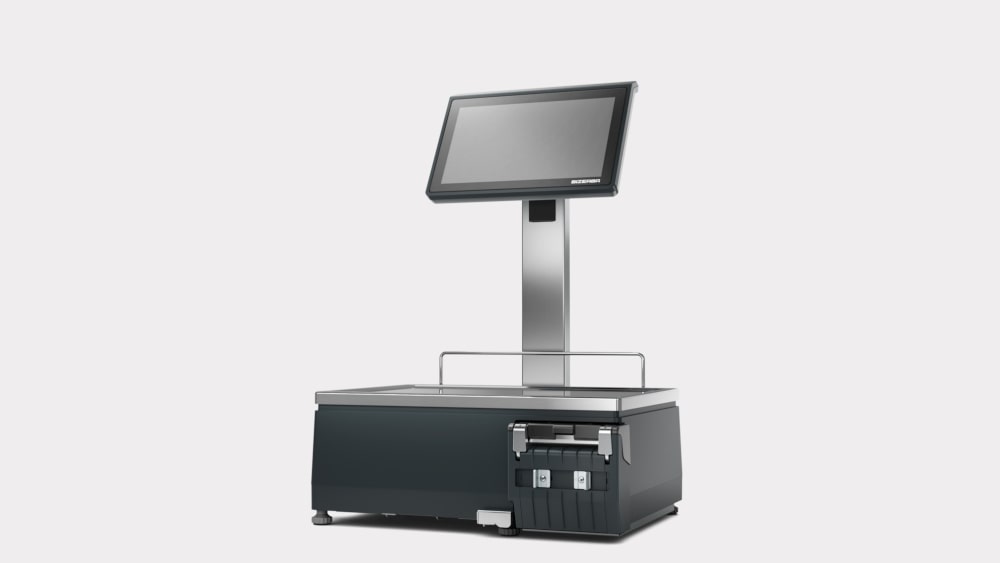
Bizerba EPoS Weigh Scale Integration

Bizerba XC 800

We can supply and integrate to three different Bizerba weigh scales.

We have integrated the product lines to our system so that if a price change or product description is changed this is sent directly to the scales without need to do any updating on the scale.

The simplest and cheapest scale model that we supply is the BCII. The scale offers 50 hot keys for the most regular selling lines and can label both weight and count lines.

The scale comes with a customer display that is conveniently positioned at a height that would normally show above most deli/butcher counters.

This scale can only print one label style but can print up to 4 additional lines of text on the label which can be used for things like ingredients or nutrition information.

The SCII scale also comes with the same 50 hot keys as the BCII scale, it can print multiple label style designs which can be useful when selling different types of product.

This scale also has the ability to add gradient pricing to a product.

This means that as the weight of a product line increases the price can reduce at set intervals.

This can also be used for count lines where the quantity entered is used rather than the weight.

The last and most expensive Bizerba scale that we can supply is the K Class.  This scale is fully touch screen and has all the features of the scales above.

The touch screen allows for multiple drill down hot keys which can be used to sell your product lines. This scale can also display screen text options which can be used for cooking instructions, ingredients, etc.

For more information on our EPoS solution please visit our website at http://www.openretailsolutions.co.uk or contact one of our sales team on 0115 9677439.

Installation Process

installation

Whether you are new to EPoS or switching from another provider, we do everything we can to make the installation journey as seamless as possible for your staff and business.

Installation Phase 1

Once you have decided to work with Open Retail Solutions, the journey begins with installation of the back office software.

The first phase of training will provide you with enough skills to get you out of the blocks and running as quickly as possible.

This will cover basics such as setting up your group structure, staff profiles, adding suppliers, creating the till screen layout and adding products individually and via importing Excel spreadsheets.

We will then leave you alone for a little while as you start building your database, but we are always at the end of the phone just in case you need a little extra help.

Installation Phase 2

The next phase is then a few weeks before the launch date.

Extended training on the till software to all necessary staff, along with any extra back office training you feel ready for including label printing, promotions, customer accounts, discount profiles and stock adjustments.

Installation Phase 3

The day you go live, one of our experienced engineers will be onsite for the whole day ready to deal with any issues which arise, and give any further training where necessary.

We will then again leave you for a few weeks to get into the swing of trading using our system.

Installation Phase 4

Training will then begin on the finer points of the system, giving you the tools to start making accurate information based decisions regarding products.

This includes reporting, enquiries, purchase orders, goods inwards, stock control plus much more.

Beyond

Once you are live, this is just the beginning of our working partnership.

The support team is available 7 days a week 8am to 8pm (Till support only out of opening hours), including most bank holidays.

The system is so vast, and there is a lot to take in at the beginning. But over time working together, your knowledge will constantly expand to fully encompass the whole system.

You can then choose how to proceed to fully maximise the positive impact on your business.

Switching from another System

For customers switching from another system, the process is a little different, but you can still expect the same high level of standards, and attention to detail.

To begin, we inspect your current system and database to find out where data is being transferred and stored.

Then, export data from your current system, and import it into Multi Retail. You can then go through and check you are happy the data is all correct.

As a rule, we do not bring over sales history, but in some cases is possible, but this would have to be assessed.

Customer information can be copied across including customer account and loyalty balances.

You can then begin setting up any live promotions as these cannot be migrated across.

Once a date for swapping over has been confirmed, the week or so prior we like to do dual running, meaning new products, orders etc are done on both our system and your current system.

This way the users can be sure they know how to do everything, and any potential issues can be resolved before going live.

Then, on switching day we will move over to our new tills and beginning trading. As stated previously a engineer will be onsite for your entire first day trading with Multi Retail.

In no time at all your confidence using Multi Retail will grow and grow.

If you are not happy with your current EPoS provider, give us a call today to discuss your requirements with our expert team. Open Retail Solutions – 01159 677439.